Roof rat remediation is an architectural and mechanical discipline, not a chemical spray service. In Gilbert neighborhoods like Val Vista Lakes and The Islands, artificial water features, canal banks, and mature queen…
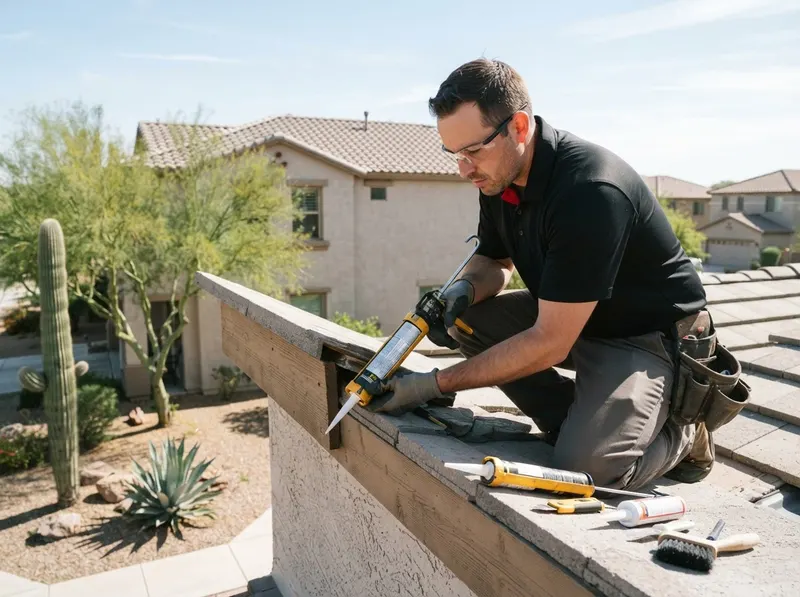
Roof rat remediation is an architectural and mechanical discipline, not a chemical spray service. In Gilbert neighborhoods like Val Vista Lakes and The Islands, artificial water features, canal banks, and mature queen palm trees supply roof rats with unlimited hydration and aerial travel routes directly onto tile roofs. Off-the-shelf snap traps or generic poison bait stations placed on perimeter gravel fail to solve the infestation because roof rats are strictly arboreal; they bypass ground stations completely to nest inside conditioned attic spaces, chewing wire insulation and plastic PEX plumbing lines. Structural sealing resolves the root vulnerability by securing open tile mud stops, plumbing stacks, attic dormer louvers, and lower foundation weep screeds with heavy-gauge 1/4-inch galvanized hardware cloth and architectural polyurethane sealants that rodents cannot gnaw through.
Deciding between recurring trapping and permanent structural exclusion comes down to property design and surrounding vegetation. In citrus-heavy communities such as Agritopia and Morrison Ranch, trapping alone removes the resident family group but leaves roof gaps completely vulnerable to the next foraging cohort moving in off the neighborhood trees. Trapping without sealing produces a recurring pest loop, while full exclusion permanently fortifies the building envelope. The trade-off is an upfront physical investment: comprehensive exclusion requires sealing dozens of linear feet along roof flashing, gable vents, and foundation weep screeds, which carries a higher initial cost than a simple trap package but prevents ongoing property destruction. A standalone trapping program fits short-term emergency cleanouts in homes with zero roof damage, whereas older barrel-tile roofs in Coronado Ranch, Finley Farms, or Seville Golf and Country Club require complete perimeter exclusion to maintain a rat-free attic envelope.
Technicians follow an objective three-step protocol to clear structural infestations. Step 1 involves an attic and rooftop assessment mapping every void larger than 1/2 inch, focusing on barrel-tile eaves, AC chase lines, and shared firewall voids. Step 2 implements interior trapping using snap traps anchored to attic framing to clear resident rats inside the structural envelope, avoiding exterior rodenticides that cause rodents to expire and decompose inside inaccessible wall voids. Step 3 mechanically affixes steel exclusion barriers, screens gable vents, patches chewed ductwork, and treats contamination with botanical antimicrobial fogging.
Every job gets a firm, written price after a free on-site visit.
Tell us about your roof rat remediation and structural sealing job in Gilbert and we'll send a clear, written quote, usually the same day.
 Saguaro Trail Pest Control